
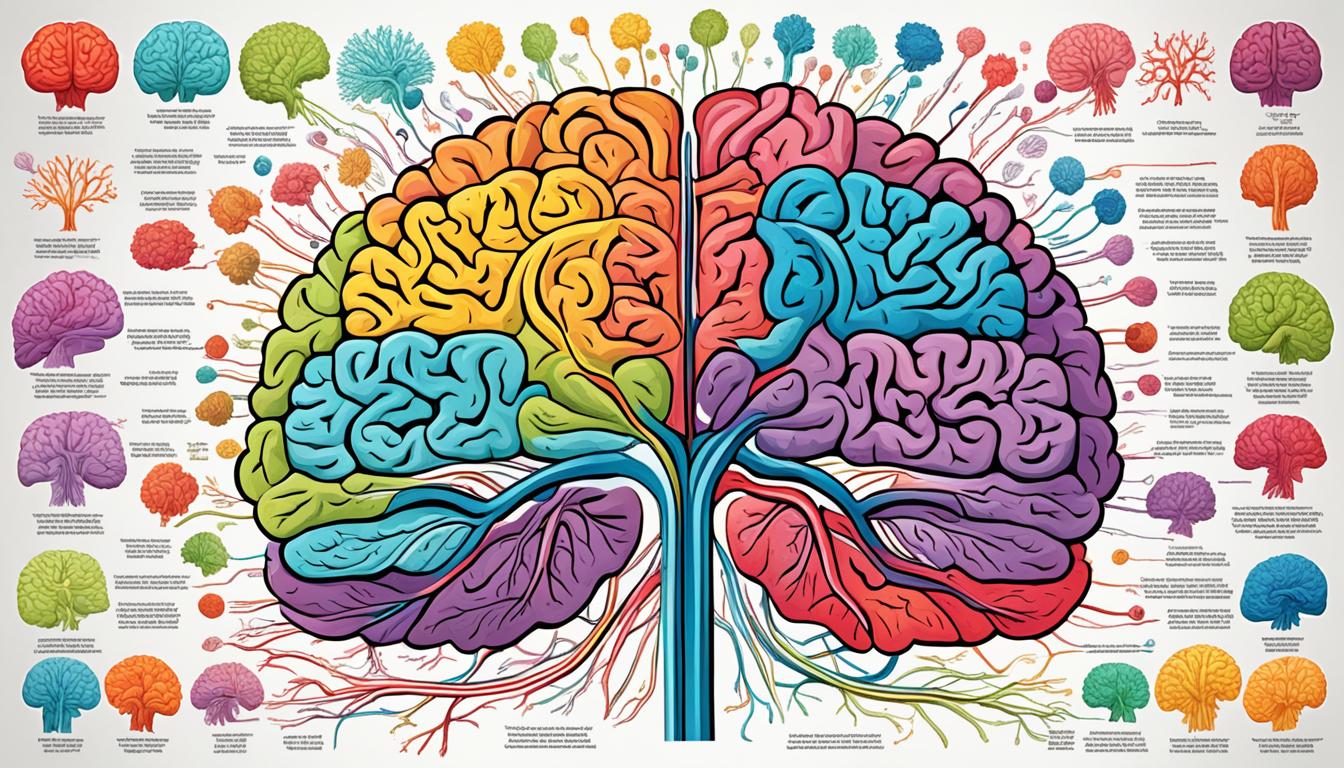
The human brain is a complex and fascinating organ. It amazes scientists and the public alike. It has unmatched processing power and can control itself and be conscious. We’ll share 10 mind-blowing facts about the human brain that will amaze you.
The brain can process a huge amount of information, doing trillions of tasks every second. It does this by working on many things at once. This is thanks to its ability to move electrical signals fast through its neural pathways.
The brain can change and adapt throughout our lives. This is called neuroplasticity. It lets us learn new things, make new memories, and adjust to new situations.
The brain’s neural connections are incredibly complex. It has billions of neurons, each connecting to thousands of others. This shows how well it can process and store information.
The brain uses a lot of energy, mostly from glucose. It also has amazing ways to control itself. Let’s explore more about emotions, dreaming, sleep, and multitasking. We’ll dive into the mysteries of consciousness together.
The Brain’s Incredible Processing Power
The human brain is truly amazing, handling information at an incredible speed. It can do up to 10 quadrillion operations every second. This is way faster than even the most advanced supercomputers. This speed comes from how the brain works in parallel, doing many tasks at once.
Parallel Processing Capabilities
Unlike computers, the brain works in parallel. Different parts of the brain work together on various tasks at the same time. This way, the brain can work faster and more efficiently, making it a powerful machine for processing information.
Rapid Information Transmission
The brain also sends information fast, thanks to its parallel processing. Signals can move up to 268 miles per hour. This fast communication lets different parts of the brain work together quickly. It’s key to the brain’s amazing speed and power.
Neuroplasticity: The Brain’s Ability to Rewire Itself
The human brain is amazing, always changing and growing. This ability, called neuroplasticity, lets our brains change and adapt. It happens when we learn new things, face new experiences, or deal with injuries or conditions.
Our brains can make new connections and make old ones stronger. This helps us get better at what we do and adjust to new situations. Neuroplasticity is what makes our brains so flexible.
It helps us learn new skills, recover from tough times, and beat some brain disorders. This rewiring of the brain is always happening. Our brains create new paths and change old ones based on what we do and think.
Our brains are incredible at adapting and changing. Thanks to neuroplasticity, they can change themselves. This lets us grow, learn, and face challenges. It shows how powerful and strong our brains are.
The Complexity of Neural Connections
The human brain is a wonder, filled with neurons that work together to send and receive information. It has about 86 billion neurons and trillions of connections between them. This makes the brain’s network incredibly complex.
Each neuron can link with up to 10,000 other neurons. This creates a dynamic system that lets the brain do many things. It’s how the brain works its magic.
The Intricate Web of Neurons
These connections, called synapses, let information move through the brain. When we learn new things, the brain makes and strengthens these connections. This helps us remember and adapt to new situations.
The brain’s ability to make and change connections shows its power. This is called neuroplasticity. It’s how the brain changes and grows throughout our lives.

Scientists are still learning about the brain’s complex network. They study how it affects our thoughts, feelings, and actions. Knowing about neural connections helps us understand the brain better and use its full potential.
Fun Facts About Memory Formation
The human brain is truly amazing when it comes to memory. Did you know the average adult can store up to 2.5 petabytes (2,500,000 gigabytes) of information? That’s like almost 3 million high-definition movies! This is thanks to the brain’s ability to make and strengthen connections between neurons.
One cool thing about memory is that the brain changes itself, a process called neuroplasticity. When we learn new things, our brain cells make new connections. This makes the pathways we use a lot stronger. So, the more we challenge our minds, the better our brain memory gets.
Another interesting fact is that the brain doesn’t keep memories in one spot. Instead, they’re spread out across different parts of the brain. Each area adds its own piece to the memory puzzle. This way, the brain can handle complex memory tasks really well.
The Brain’s Energy Consumption
The human brain is an amazing part of our body. It works hard to process lots of information and keep our body running smoothly. Even though it’s small, making up only about 2% of our weight, it uses a lot of energy. In fact, it takes up to 20% of our total energy.
Glucose: The Brain’s Fuel
The brain’s main fuel is glucose, a simple sugar from the food we eat. It uses about 120 grams of glucose every day, even when we’re not active. This high energy use is key for the brain to work right. It helps our neurons work and supports things like memory, learning, and making decisions.
Keeping a steady supply of glucose is vital for the brain’s health and how well it performs. If glucose levels drop, it can cause problems with thinking and nerves. Knowing how the brain uses energy and its need for glucose helps us understand this complex organ better.
The Brain’s Self-Regulation Mechanisms
The human brain is amazing, with complex ways to keep the body in balance. It uses feedback loops and control systems to adjust its activities. This ensures it works well.
The brain plays a key role in managing important body functions like temperature, blood pressure, and hormone levels. Its ability to keep these in check shows how powerful it is at self-regulation.

The brain has a detailed feedback system that gets info from all over the body. If something goes wrong, it acts fast to fix it. This keeps the body in balance.
This self-regulation lets the brain keep the body running smoothly. It shows how adaptable and responsive the brain is to changes inside and outside the body.
Fascinating Insights into Emotions and the Brain
The human brain is key in handling and controlling our feelings. It uses neurotransmitters, chemical messengers, to shape our mood and emotional state. Serotonin, dopamine, and norepinephrine are important neurotransmitters for emotional processing.
When these neurotransmitters are out of balance, it can lead to mental health issues. This shows how closely linked the brain and emotions are. Knowing how neurotransmitters affect our feelings helps us understand the brain better.
The Role of Neurotransmitters
Neurotransmitters are like messengers in the brain, sending signals between neurons. They help with thinking and feeling. For example, serotonin helps manage mood, while dopamine is linked to pleasure and motivation. Too little or too much of these neurotransmitters can cause depression, anxiety, or addiction.
Studying the brain and its neurotransmitters reveals how it connects to our feelings. This research helps us understand the human mind better. It also leads to new treatments for mental health problems.
Fun Facts About Dreaming and Sleep
The human brain works hard during sleep, especially in the rapid eye movement (REM) stage. This stage sees the brain light up with lots of activity, with blood flow and neural activity on the rise. REM sleep is key for memory, emotions, and making vivid dreams.
The Importance of REM Sleep
On average, people spend about six years dreaming. This time in REM sleep is crucial for our brains. It helps with memory, emotions, and creativity. The brain acts much like it does when we’re awake, showing dreaming is key for brain health.
Studies show that dreaming and processing info in sleep depend on sleep quality. Issues like insomnia or sleep apnea can hurt the brain’s function. Knowing how REM sleep and dreaming work helps keep our sleep and brain healthy.
The Brain’s Ability to Multitask
The human brain is amazing, capable of incredible feats. It can multitask, handling many tasks at once. This is thanks to its ability to process information in parallel.
Multitasking has its limits, though. The brain can only focus on so many things before it starts to struggle. Yet, the fact we can do many things at once shows how flexible and adaptable the brain is. This skill helps us manage our busy lives better.
Our ability to multitask varies by task and cognitive ability. Some tasks, like focused attention or complex problem-solving, are harder to do together. The brain’s processing power also changes with age, stress, and individual cognitive skills.
Despite its limits, the brain’s multitasking is still an amazing feat. It lets us handle many demands and responsibilities efficiently. As we learn more about the brain, we’ll likely discover even more about this incredible ability.
Unlocking the Mysteries of Consciousness
The human brain is a fascinating organ, full of mysteries. One of the biggest mysteries is how it creates our subjective experiences and sense of self-awareness. This question has puzzled philosophers, scientists, and thinkers for centuries.
Researchers are still working to understand the brain’s role in consciousness. They look at how different brain areas work together, the effects of neurotransmitters, and neural plasticity. These studies aim to uncover the secrets of our conscious minds.
As we learn more about the brain, we get closer to understanding consciousness. The brain’s complex connections and interactions help us process sensory information, form memories, and manage emotions. This journey to grasp consciousness is exciting and inspires us to learn more about being human.